

The Book of Hosea
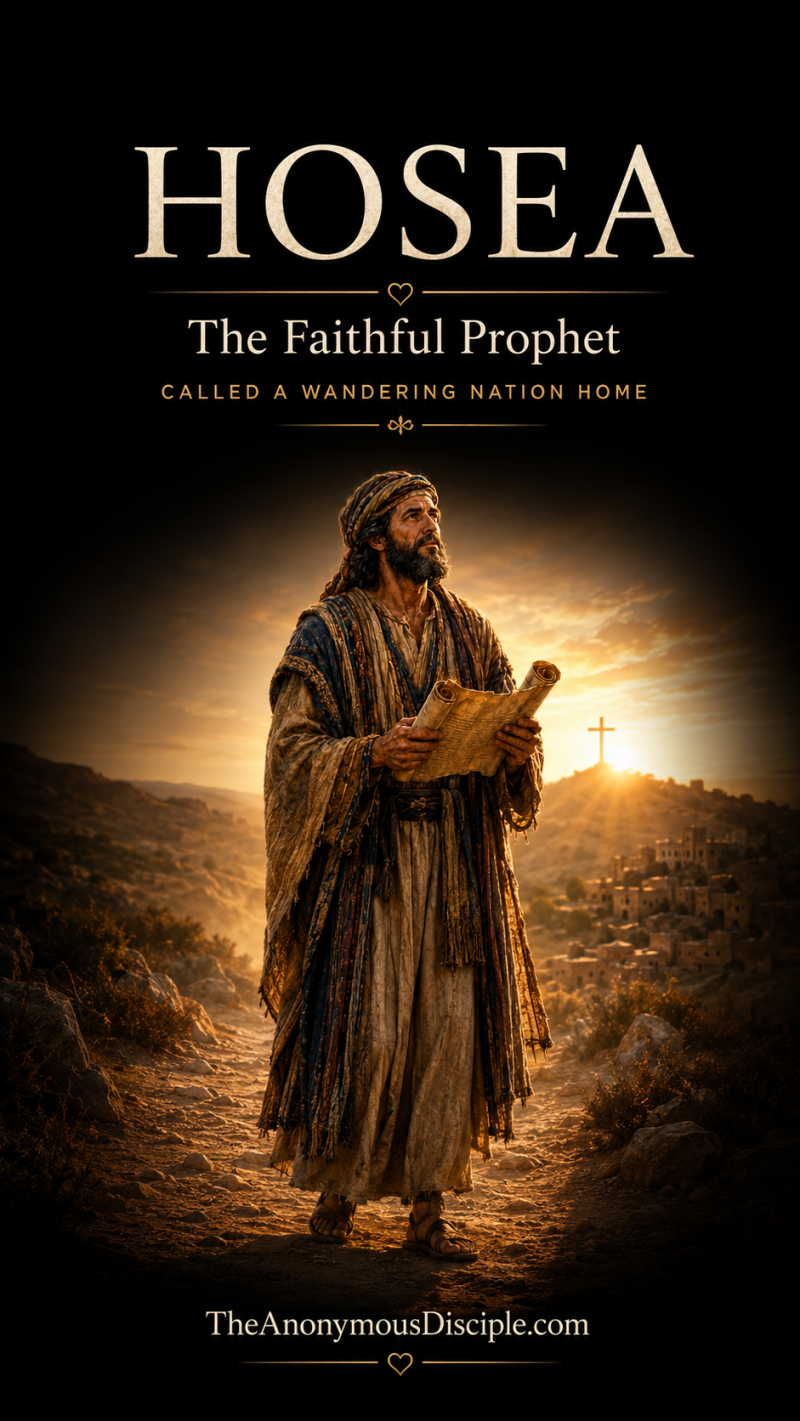
Hosea is one of those Bible books that feels strange at first because God uses Hosea’s painful marriage as a picture of Israel’s relationship with Him.
The people kept cheating on God spiritually by chasing idols, power, and everything except Him. Hosea’s life became a living example of what that betrayal looked like — and also what God’s faithful love looked like.
It is not saying betrayal is okay. It is showing how deeply sin wounds, how real consequences are, and how far God’s mercy reaches when people return to Him.
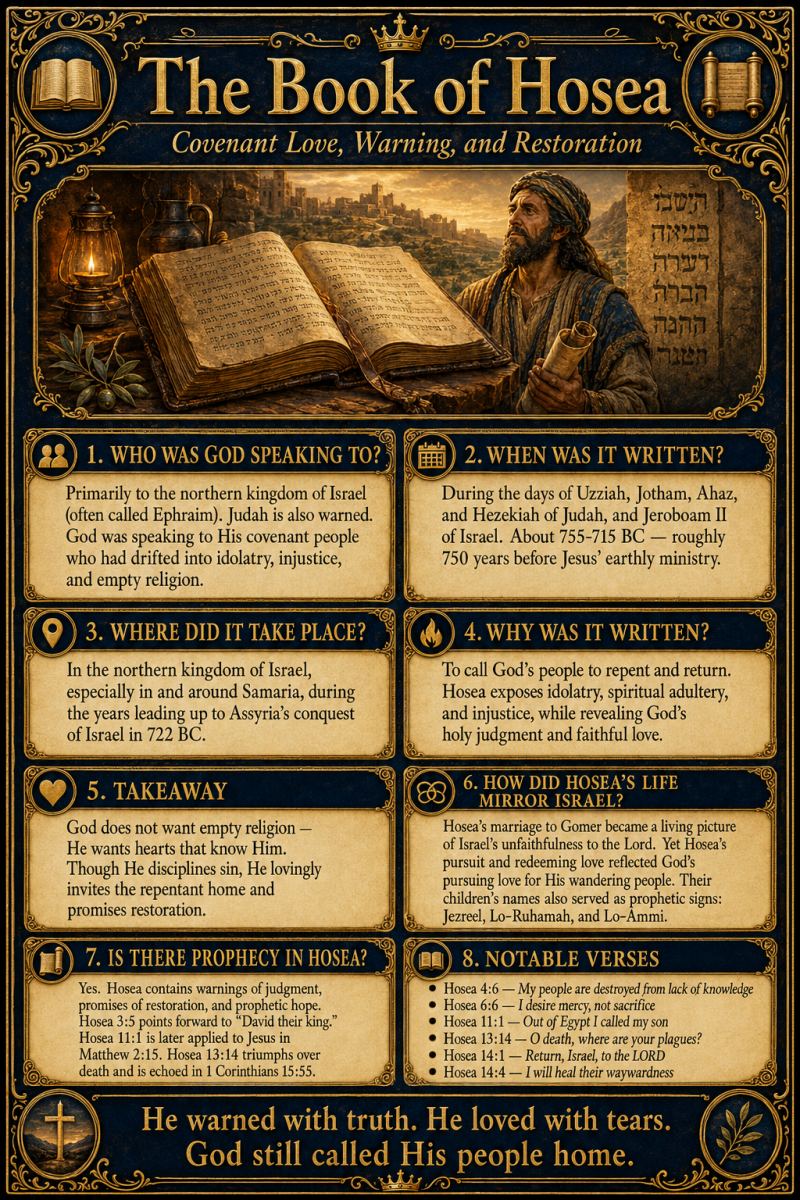
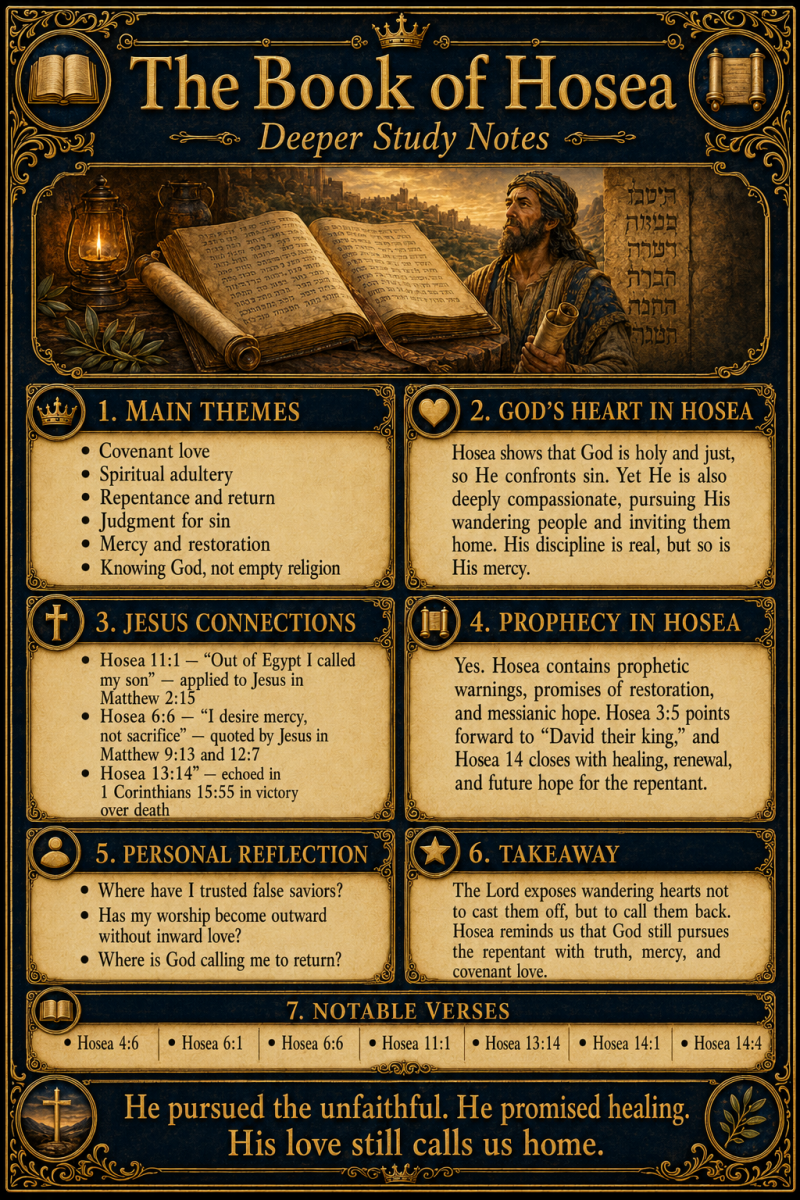
The book of Hosea is tender, sobering, and full of God’s pursuing love.
Through the prophet Hosea, the Lord spoke to a people who had wandered into idolatry, injustice, and empty religion. Yet even while exposing their sin, God was still calling them back.
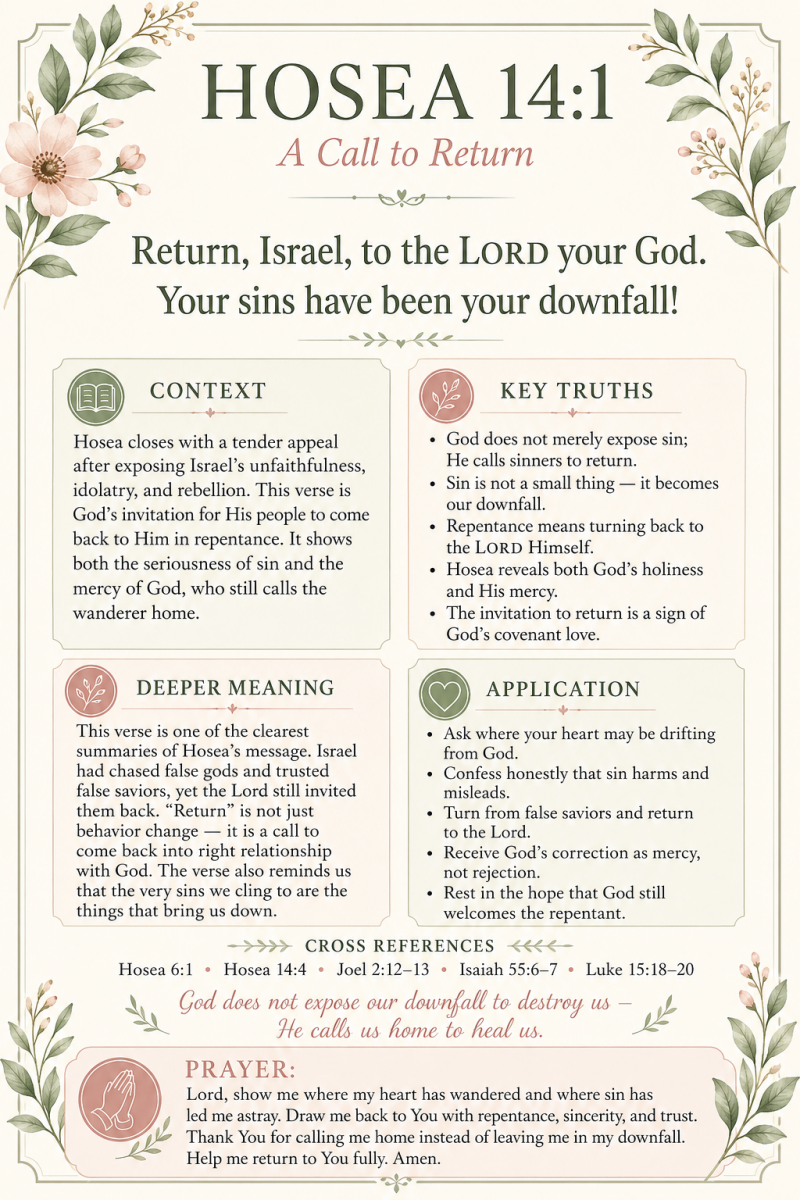
Hosea 14:1 — “Return, Israel, to the LORD your God. Your sins have been your downfall!”
Hosea’s own life became a living picture of Israel’s unfaithfulness — and of God’s faithful, covenant love. The message was not soft on sin, but it was full of mercy for the repentant.
Hosea 6:6 — “For I desire mercy, not sacrifice, and acknowledgment of God rather than burnt offerings.”
What a reminder: God does not want outward religion without inward love. He wants hearts that know Him, return to Him, and trust Him alone.
Hosea 14:4 — “I will heal their waywardness and love them freely, for my anger has turned away from them.”
He warned with truth.
He loved with tears.
And He still calls His people home.

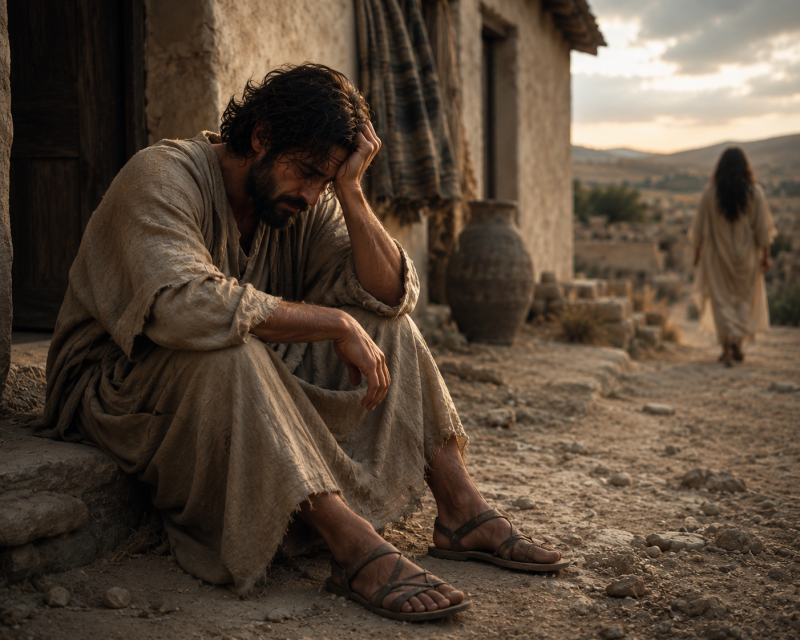
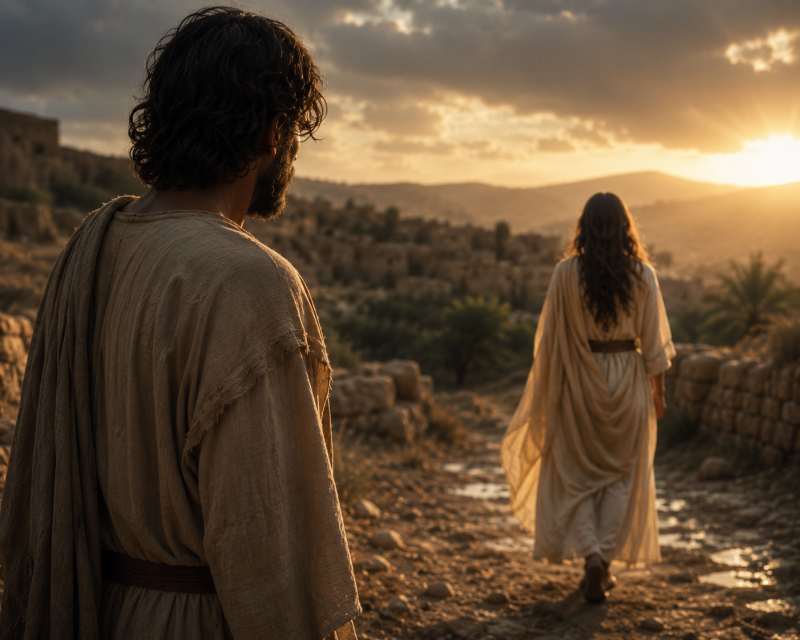
Poor Hosea probably did have moments of, “Lord… why this? Why me? Why this kind of pain?”
And that’s what makes his obedience so weighty. Hosea wasn’t just asked to preach heartbreak — he was asked to live inside a picture of it.
Hosea 1:2 — “When the LORD began to speak through Hosea, the LORD said to him, ‘Go, marry a promiscuous woman and have children with her, for like an adulterous wife this land is guilty of unfaithfulness to the LORD.’”
That “for” explains it. Hosea’s marriage became a living sermon of Israel’s unfaithfulness to God.
But then it gets even heavier:
Hosea 3:1 — “The LORD said to me, ‘Go, show your love to your wife again, though she is loved by another man and is an adulteress. Love her as the LORD loves the Israelites, though they turn to other gods…’”
That must have cost him so much emotionally.
Hosea’s pain helped reveal God’s pain. Not because God is weak, but because His covenant love is not cold or detached. He is holy, yes — but Hosea shows He is also wounded by His people’s betrayal.
Hosea 11:8 — “My heart is changed within me; all my compassion is aroused.”
Hosea may have felt the ache of “Why?”
But through his obedience, God gave us one of the clearest pictures in Scripture of this truth:
Sin is betrayal. God’s love is faithful. Mercy is costly. And the Lord still calls the wanderer home.

Hosea 2:16 — “‘In that day,’ declares the LORD, ‘you will call me “my husband”; you will no longer call me “my master.”’”
God is showing that, after restoration, His people would not relate to Him like He was merely a harsh owner, taskmaster, or distant ruler. They would know Him in a covenant relationship of love, faithfulness, and intimacy.
But there’s an important layer here: the word translated “master” is connected to Baal language. “Baal” could mean master/lord/husband, but it was also the name of the false god Israel kept chasing. So God is saying, in effect:
“You will no longer relate to Me with language and thinking polluted by Baal worship. You will know Me rightly — as your faithful covenant Husband.”
The next verse makes that clearer:
Hosea 2:17 — “I will remove the names of the Baals from her lips; no longer will their names be invoked.”
Part of the point is: God does not want His people relating to Him like slaves of a cruel, pagan master. He wants their hearts. He wants faithful love, not empty religious transaction.
That fits perfectly with:
Hosea 6:6 — “For I desire mercy, not sacrifice, and acknowledgment of God rather than burnt offerings.”
God is still Lord. He is still holy. He is still King. Hosea is not removing His authority. But He is revealing that His authority is not abusive, manipulative, or cold. His covenant love is personal and faithful.
And look how tender the restoration language becomes:
Hosea 2:19-20 — “I will betroth you to me forever; I will betroth you in righteousness and justice, in love and compassion. I will betroth you in faithfulness, and you will acknowledge the LORD.”
That is beautiful. He is not saying, “You will merely obey Me because you are afraid.”
He is saying, “You will belong to Me in righteousness, justice, love, compassion, and faithfulness.”
A New Testament echo would be:
Romans 8:15 — “The Spirit you received does not make you slaves, so that you live in fear again; rather, the Spirit you received brought about your adoption to sonship…”
And also:
John 15:15 — “I no longer call you servants… Instead, I have called you friends…”
God is saying that restoration changes the relationship from polluted, fear-based, Baal-like religion into faithful covenant love. His people will no longer see Him through the lens of false gods, harsh mastery, or empty ritual — they will know Him as the faithful One who loves, restores, and calls them His own.
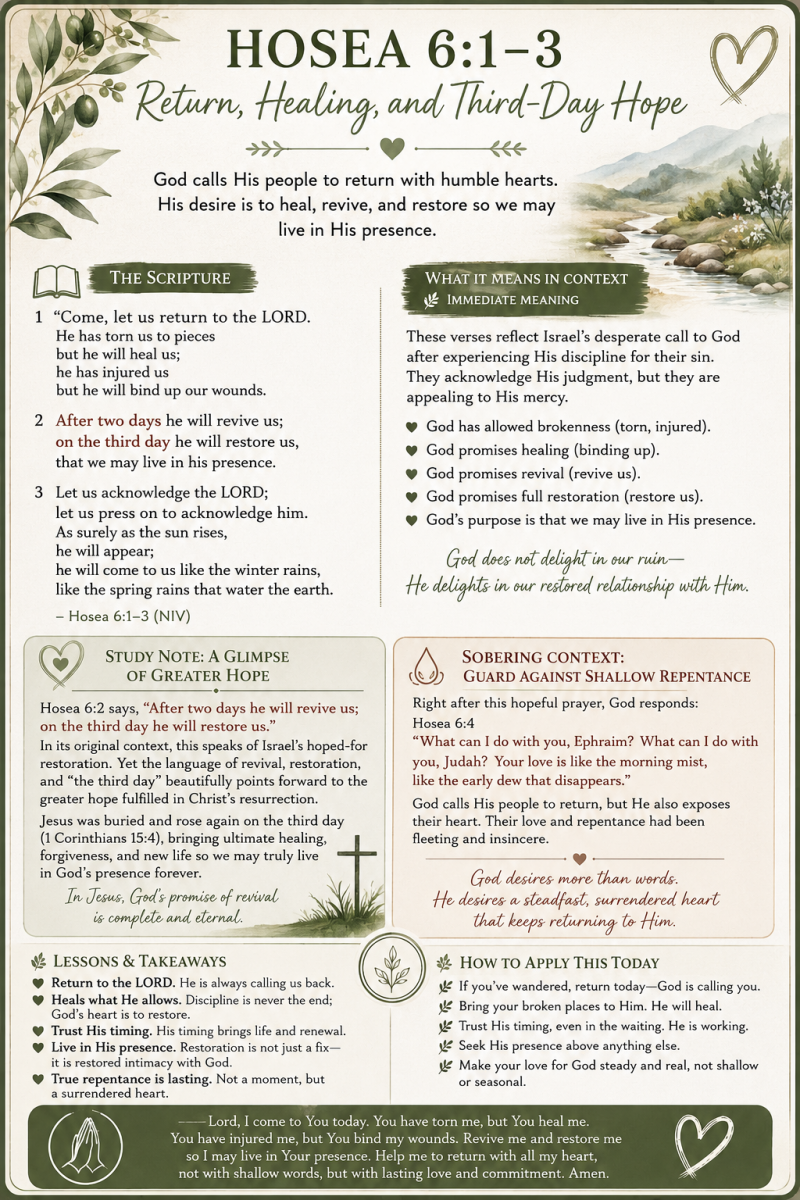
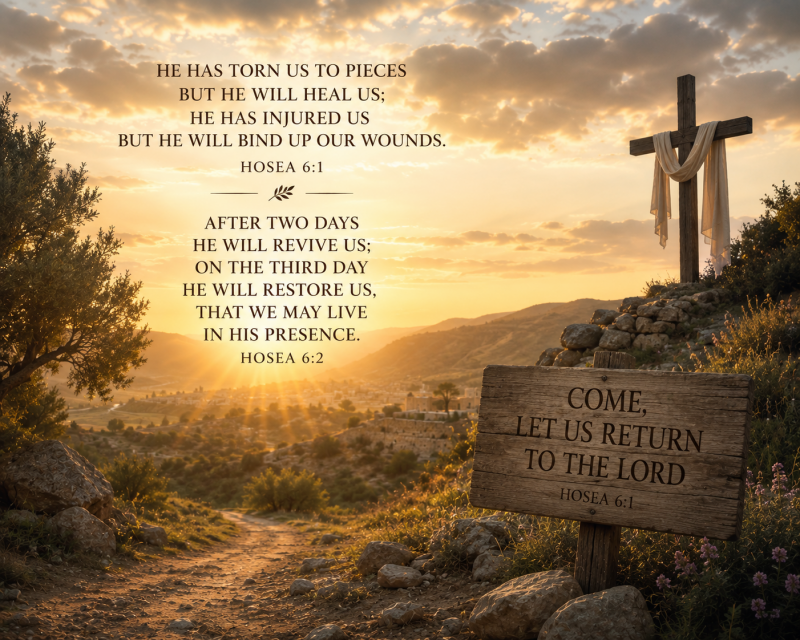
Hosea 6:1–3 is a beautiful call to return to the Lord.
Hosea 6:1 — “Come, let us return to the LORD. He has torn us to pieces but he will heal us; he has injured us but he will bind up our wounds.”
This passage reminds us that God’s discipline is never meaningless. He exposes, corrects, and humbles — but His desire is to heal, revive, and restore His people so they may live in His presence.
Hosea 6:2 — “After two days he will revive us; on the third day he will restore us, that we may live in his presence.”
There is also a beautiful glimpse of greater hope here. In context, Hosea speaks of Israel’s restoration, but the language of revival, restoration, and “the third day” points our hearts toward the greater hope fulfilled in Christ’s resurrection.
But Hosea also gives a sober warning.
Hosea 6:4 — “Your love is like the morning mist, like the early dew that disappears.”
God does not want temporary emotion or shallow words. He desires steadfast love, true repentance, and hearts that keep returning to Him.
Return to the Lord.
Press on to know Him.
He heals what He allows to be exposed.
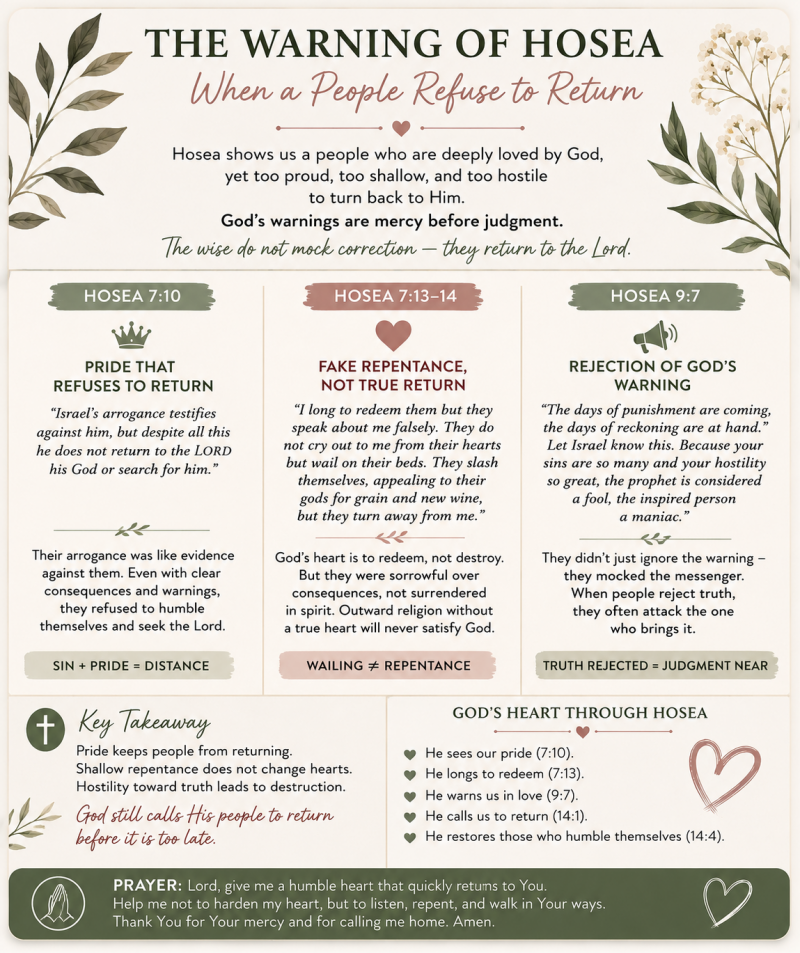
Hosea 7:10 — pride that refuses to return
Hosea 7:10 — “Israel’s arrogance testifies against him, but despite all this he does not return to the LORD his God or search for him.”
This verse shows one of the scariest parts of spiritual decline: pride can keep people from returning even when their sin is obvious.
Their arrogance was like evidence against them. They were wounded, exposed, unstable, and under warning — but they still would not seek the Lord.
This fits the heartbeat of Hosea:
Hosea 14:1 — “Return, Israel, to the LORD your God. Your sins have been your downfall!”
Hosea 7:10 is significant because it shows the problem was not just sin. It was sin plus stubborn refusal to return.
Hosea 7:13–14 — God longs to redeem, but they fake repentance
Hosea 7:13–14 — “Woe to them, because they have strayed from me! Destruction to them, because they have rebelled against me! I long to redeem them but they speak about me falsely. They do not cry out to me from their hearts but wail on their beds. They slash themselves, appealing to their gods for grain and new wine, but they turn away from me.”
This one is huge.
The phrase that grabs me is:
“I long to redeem them…”
That shows God’s heart. He is not eager to destroy. He desires redemption. But the people are not truly returning to Him. They are crying because of consequences, not because their hearts are surrendered.
That is a major Hosea theme: sorrow over consequences is not the same as repentance.
They “wail on their beds,” but they do not “cry out” from their hearts. That is a strong warning against emotional religion without true turning.
It also connects beautifully with:
Hosea 6:6 — “For I desire mercy, not sacrifice, and acknowledgment of God rather than burnt offerings.”
God wanted their hearts, not performance, panic, or surface-level religion.
Hosea 9:7 — people reject the messenger when they hate the message
Hosea 9:7 — “The days of punishment are coming, the days of reckoning are at hand. Let Israel know this. Because your sins are so many and your hostility so great, the prophet is considered a fool, the inspired person a maniac.”
This verse shows how far they had fallen: they no longer recognized God’s warning as mercy. They mocked the prophet instead.
That is painfully relevant today. When people do not want correction, they often attack the person bringing truth. Hosea was warning them because judgment was near, but they treated the warning like foolishness.
This fits with what Jesus later says:
John 15:18 — “If the world hates you, keep in mind that it hated me first.”
And also:
2 Timothy 4:3 — “For the time will come when people will not put up with sound doctrine…”
Why these verses matter for showing Hosea’s significance today
Together, these three passages show:
Hosea 7:10 — They were too proud to return.
Hosea 7:13–14 — They cried over pain, but not from surrendered hearts.
Hosea 9:7 — They rejected the prophet because they rejected the warning.
That gives Hosea a very strong modern message:
God sees through pride, fake repentance, and hostility toward truth — but He still calls people to return before judgment comes.
God’s warnings are mercy before judgment. The wise do not mock correction — they return to the Lord.
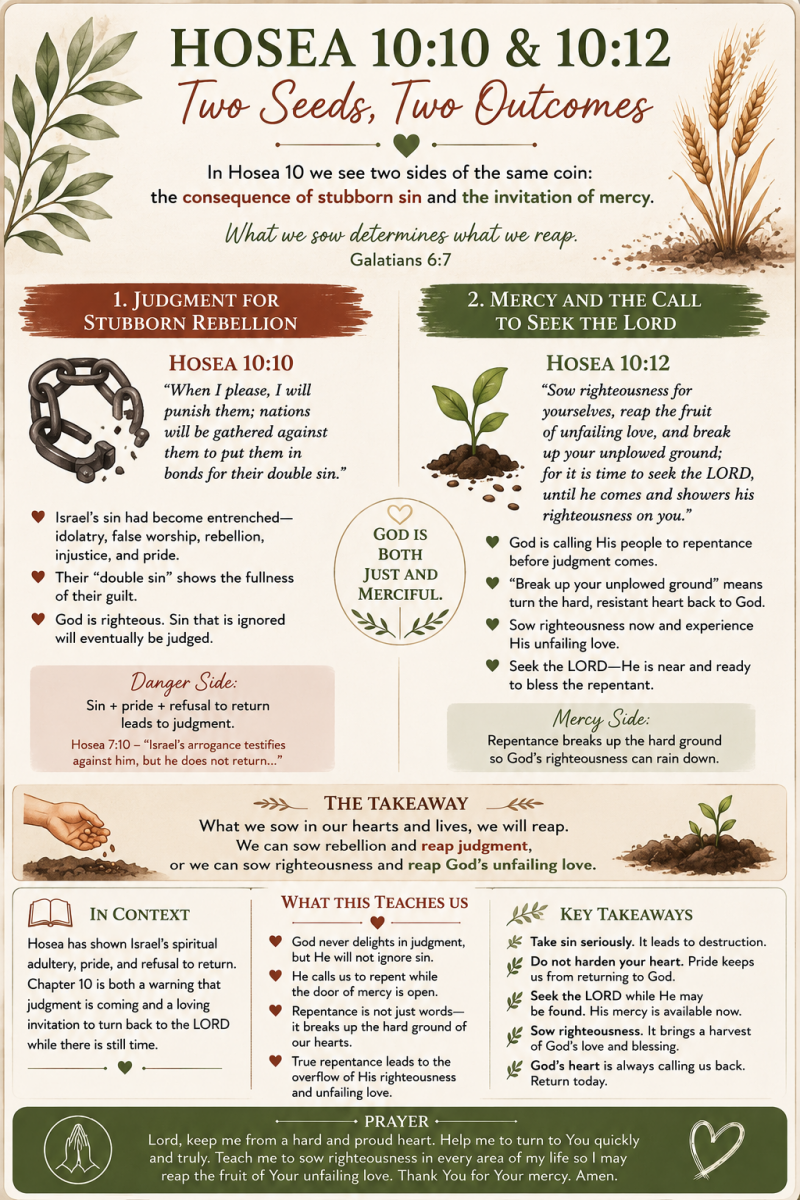
Hosea 10:10 and Hosea 10:12 feel like two sides of the same coin: judgment for stubborn sin, and mercy offered through true repentance.
Side 1: God’s judgment on stubborn rebellion
Hosea 10:10 — “When I please, I will punish them; nations will be gathered against them to put them in bonds for their double sin.”
That is sobering. God is saying Israel’s sin will not just be ignored. Their rebellion has reached a point where judgment is coming, and other nations will be used as instruments of discipline.
The “double sin” likely points to the fullness of their guilt — idolatry, false worship, rebellion, injustice, and refusing to return to the Lord. Hosea has been showing that their sin was not accidental weakness; it had become entrenched.
This connects with:
Hosea 7:10 — “Israel’s arrogance testifies against him, but despite all this he does not return to the LORD his God or search for him.”
That is the danger side: sin plus pride plus refusal to return leads to judgment.
Side 2: God’s invitation to repent and seek Him
Then comes this beautiful invitation:
Hosea 10:12 — “Sow righteousness for yourselves, reap the fruit of unfailing love, and break up your unplowed ground; for it is time to seek the LORD, until he comes and showers his righteousness on you.”
That verse is mercy calling before judgment falls.
God is basically saying:
“Break up the hard ground of your heart.
Stop sowing rebellion.
Start sowing righteousness.
Seek Me now.”
The phrase “break up your unplowed ground” is powerful. It pictures a heart that has become hard, untouched, resistant, and unfruitful. God is calling them to repentance that actually turns the soil over — not shallow emotion, but real heart change.
The two sides together
These verses together show the seriousness and mercy of God:
Hosea 10:10 — sin will be judged.
Hosea 10:12 — repentance is still being offered.
That is very Hosea.
God does not flatter sin.
God does not ignore rebellion.
But He also does not delight in destroying the repentant.
He warns because He is righteous.
He calls because He is merciful.
A strong takeaway
Hosea 10:10 shows what happens when sin hardens into rebellion. Hosea 10:12 shows what God still calls His people to do: break up the hardened heart, seek the Lord, and sow righteousness before judgment comes.
God is describing Himself almost like a parent with a small child:
He called them.
He loved them.
He taught them to walk.
He took them by the arms.
He healed them.
He led them gently.
He lifted them close.
He bent down to feed them.
And then the heartbreak is:
“But the more they were called, the more they went away from me.” — Hosea 11:2
It is very much like God saying:
“I loved you from the beginning.
I carried you when you were helpless.
I healed you when you did not even recognize My hand.
I fed you.
I drew you with love.
And still, you turned away.”
That phrase in Hosea 11:3 really stands out:
“But they did not realize it was I who healed them.”
That feels so relevant. Sometimes people receive God’s mercy, provision, protection, healing, patience, and daily grace — but they do not recognize Him as the source.

The deeper heartbreak
This is not just “they forgot to say thank You.” It is deeper than that.
They did not merely overlook His blessings — they took the blessings and ran after other gods.
Hosea 11:2 — “They sacrificed to the Baals and they burned incense to images.”
So God’s grief is covenant grief. He had loved them faithfully, but they gave their worship elsewhere.
And yes, we can apply it personally
First meaning: Israel.
Personal application: every heart that forgets God’s mercy and drifts from Him.
Think of:
Romans 2:4 — “...God’s kindness is intended to lead you to repentance.”
God’s kindness should soften us, not make us careless.
And:
James 1:17 — “Every good and perfect gift is from above…”
So a Hosea 11:1–4 takeaway could be:
God’s people often forget the very mercy that carried them. Hosea 11 reminds us to recognize His hand, return His love, and not give our worship to the things He saved us from.
And there is also a beautiful Jesus connection:
Matthew 2:15 — “And so was fulfilled what the Lord had said through the prophet: ‘Out of Egypt I called my son.’”
In Hosea, “my son” first refers to Israel. But Matthew shows that Jesus fulfills this in a deeper way. Israel was God’s son who wandered; Jesus is the true Son who obeyed perfectly.
Hosea 11:1–4 is God remembering how tenderly He loved His people from the beginning, and how tragically they failed to recognize and return that love.
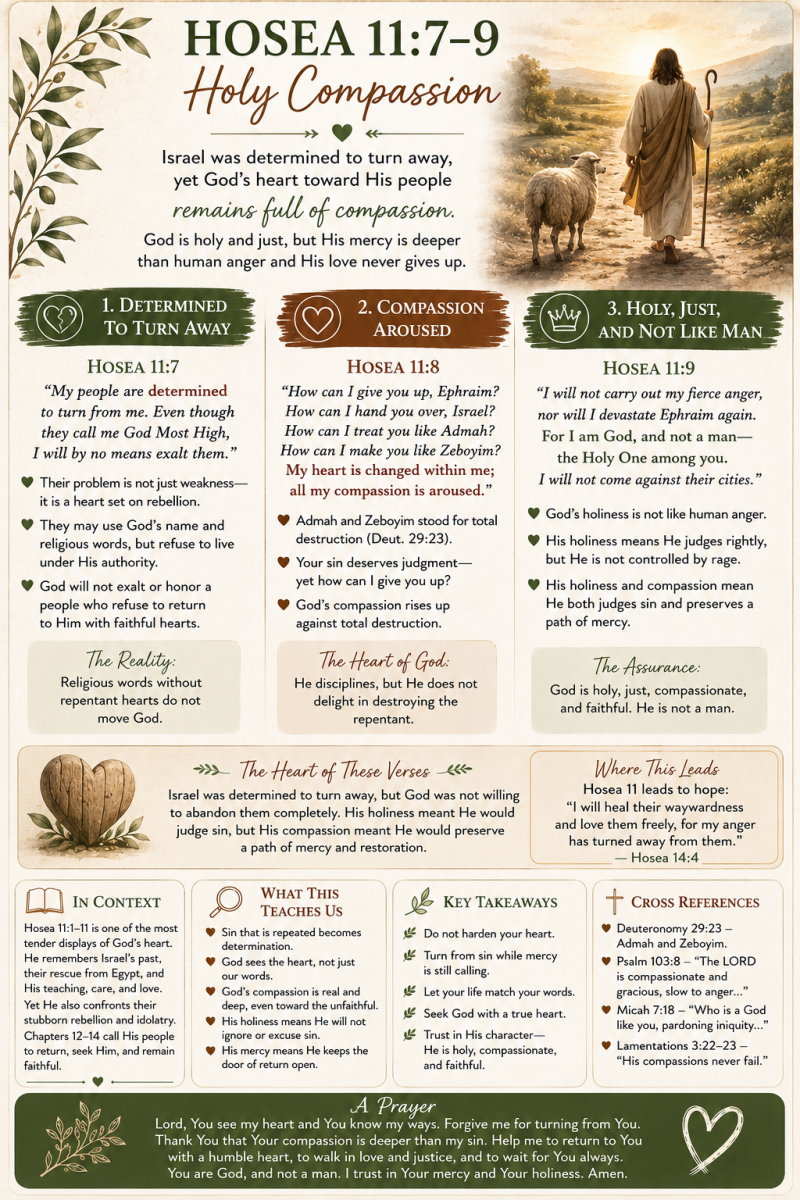
Hosea 11:7–9 is one of the most tender and sobering places in the whole book. It shows the tension between God’s holy justice and God’s deep compassion. ❤️
Hosea 11:7 — determined to turn away
Hosea 11:7 — “My people are determined to turn from me. Even though they call me God Most High, I will by no means exalt them.”
That line is heartbreaking: “determined to turn from me.”
It means Israel’s problem was not just weakness or confusion. Their hearts were bent away from God. They were set on rebellion.
And the second part is especially sobering:
“Even though they call me God Most High…”
They may still have used God’s name. They may still have had religious language. They may still have acknowledged Him verbally. But their hearts and lives were not truly returning to Him.
That fits what Hosea keeps showing:
Hosea 6:6 — “For I desire mercy, not sacrifice, and acknowledgment of God rather than burnt offerings.”
God does not want religious words without faithful hearts.
So “I will by no means exalt them” means God will not lift them up, rescue them, or honor them while they remain hardened and unrepentant. They are calling Him “Most High,” but refusing to live under His authority.
That is very relevant today: a person can say “God” and still be resisting Him.
Hosea 11:8 — God’s compassion is aroused
Hosea 11:8 — “How can I give you up, Ephraim? How can I hand you over, Israel? How can I treat you like Admah? How can I make you like Zeboyim? My heart is changed within me; all my compassion is aroused.”
This verse is stunning.
Admah and Zeboyim were cities associated with the judgment of Sodom and Gomorrah.
Deuteronomy 29:23 — “The whole land will be a burning waste of salt and sulfur… like the destruction of Sodom and Gomorrah, Admah and Zeboyim, which the LORD overthrew in fierce anger.”
So God is saying, in effect:
“Your sin deserves judgment.
But how can I give you up completely?”
That is the ache of the verse. God is not indifferent. He is not cold. He is holy, but He is also deeply compassionate.
When He says:
“My heart is changed within me; all my compassion is aroused,”
it does not mean God was morally unsure or unstable. It means He is revealing His inner mercy toward His covenant people. His compassion rises up against total destruction.
He will discipline them, yes.
But He will not utterly wipe them out.
Hosea 11:9 — God is not like man
Hosea 11:9 — “I will not carry out my fierce anger, nor will I devastate Ephraim again. For I am God, and not a man — the Holy One among you. I will not come against their cities.”
This is the anchor.
“For I am God, and not a man.”
A human being might retaliate out of wounded pride, rage, revenge, or emotional impulse. But God’s holiness is not like human anger.
His holiness means He judges rightly.
His mercy means He does not destroy the repentant.
His covenant faithfulness means He keeps His promises even when His people are unfaithful.
That phrase “the Holy One among you” is powerful because God’s holiness does not make Him distant only — it also means His love is purer, deeper, and more faithful than human love.
He is not a man.
He is not petty.
He is not reckless.
He is not controlled by rage.
He is holy, just, compassionate, and faithful.
The heart of Hosea 11:7–9
This passage shows:
Hosea 11:7 — The people are stubbornly turning away.
Hosea 11:8 — God’s compassion rises toward them.
Hosea 11:9 — God’s holiness restrains total destruction.
That is why Hosea is so profound. God is not saying sin does not matter. He is saying His compassion is greater than human vengeance.
A simple summary:
Israel was determined to turn away, but God was not willing to abandon them completely. His holiness meant He would judge sin, but His compassion meant He would preserve a path of mercy and restoration.
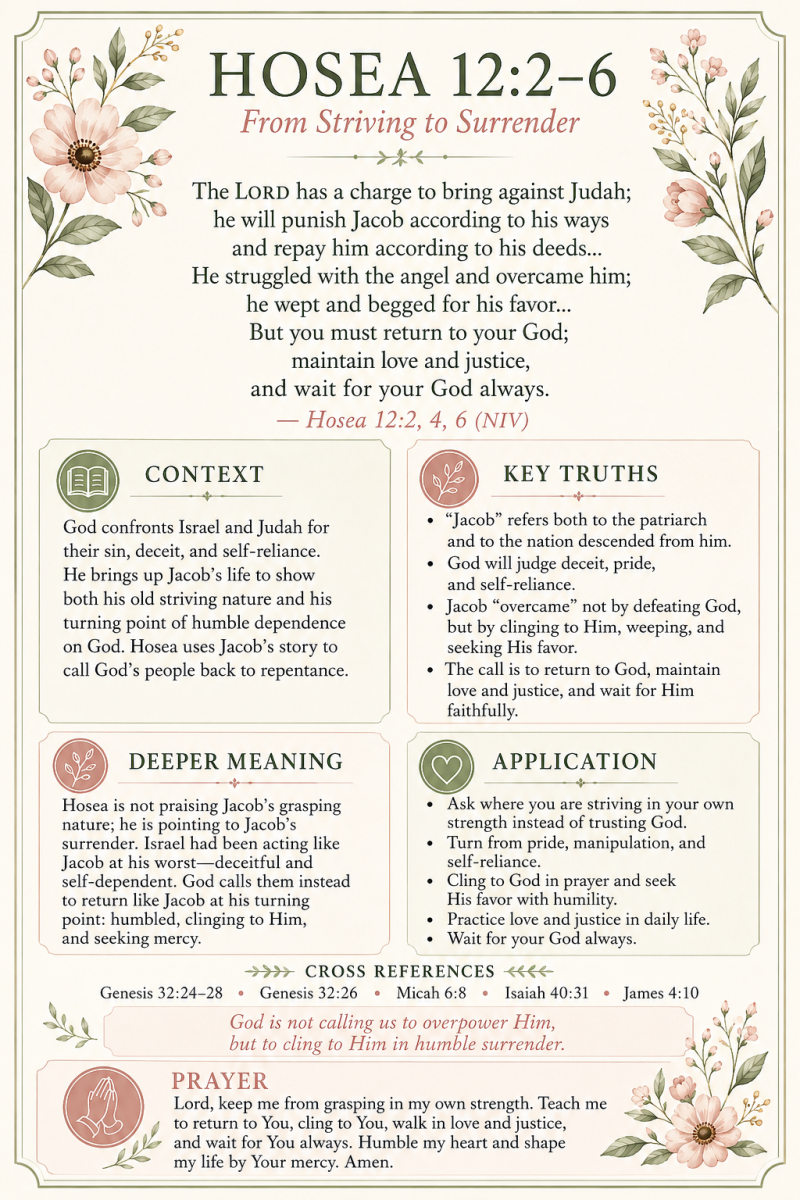

Hosea 12:2 — “The LORD has a charge to bring against Judah; he will punish Jacob according to his ways and repay him according to his deeds.”
Then right after that:
Hosea 12:3–4 — “In the womb he grasped his brother’s heel; as a man he struggled with God. He struggled with the angel and overcame him; he wept and begged for his favor…”
Why does God say He will punish Jacob, then mention Jacob wrestling and overcoming?
Because “Jacob” is being used in two connected ways.
First, Jacob refers to the nation descended from Jacob — Israel, and in this passage Judah is also included. God is saying He will punish His people according to their deeds.
But then Hosea looks back at the actual man Jacob to make a point:
Jacob’s life had both deception and striving, but also a moment of humbling, clinging, weeping, and seeking God’s favor.
So Hosea is basically saying to Israel:
“You are acting like Jacob at his worst — deceitful, striving, self-reliant.
But you need to return like Jacob at his best — humbled, clinging to God, begging for mercy.”
“Overcame” does not mean Jacob defeated God
That part is important.
When Hosea says Jacob “overcame,” it does not mean Jacob was stronger than God or beat Him in a fight.
Jacob “prevailed” by refusing to let go until God blessed him.
Genesis 32:26 — “But Jacob replied, ‘I will not let you go unless you bless me.’”
And Hosea adds the heart posture:
Hosea 12:4 — “...he wept and begged for his favor.”
So Jacob’s victory was not prideful victory. It was desperate dependence.
He overcame by surrendering.
He prevailed by clinging.
He won by finally knowing he needed God.
That is very different from Israel in Hosea’s day, who kept trusting idols, wealth, alliances, and themselves.
Hosea gives the application in verse 6
This is the verse that explains the whole point:
Hosea 12:6 — “But you must return to your God; maintain love and justice, and wait for your God always.”
So the Jacob story is not random. It is a sermon.
God is saying:
“Your ancestor Jacob wrestled, wept, and sought Me.
Now you return too.
Stop deceiving. Stop trusting yourself. Come back to Me.”
The simple meaning
Hosea 12 is warning Israel that they will be judged for acting like Jacob’s old sinful nature — deceitful and self-reliant — but it also reminds them of Jacob’s turning point, when he clung to God and begged for blessing.
So it is both:
Judgment: God will punish “Jacob” according to his deeds.
Invitation: Be like Jacob when he humbled himself and sought God.
That is why it fits Hosea so well. Even in judgment passages, God keeps holding out the call:
Return to Me. 🕊️

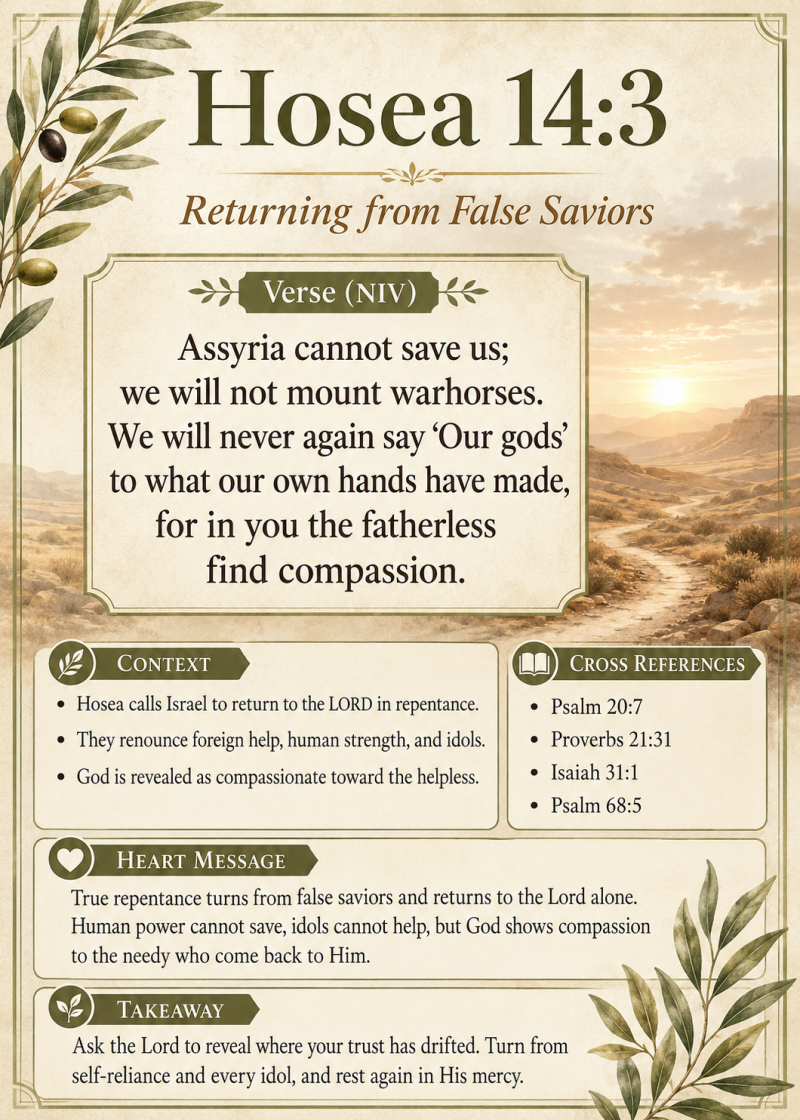
Hosea 14:3 — NIV
Hosea 14:3 — “Assyria cannot save us; we will not mount warhorses. We will never again say ‘Our gods’ to what our own hands have made, for in you the fatherless find compassion.”
This verse has three confessions and then one tender truth.
1. “Assyria cannot save us”
Israel had often looked to powerful nations for rescue instead of trusting God. Assyria represented political strength, military protection, and worldly security.
But in repentance, they confess: “That cannot save us.”
This is huge because repentance is not only turning from “bad behavior.” It is also turning from false trust.
Isaiah 31:1 — “Woe to those who go down to Egypt for help, who rely on horses…”
Psalm 20:7 — “Some trust in chariots and some in horses, but we trust in the name of the LORD our God.”
The heart question is:
What do I run to first when I feel afraid?
2. “We will not mount warhorses”
Warhorses represented human power, strategy, speed, pride, and control.
They are saying, “We will not rely on our own strength anymore.”
That does not mean wisdom, planning, or protection are wrong. It means those things must never become our savior.
Proverbs 21:31 — “The horse is made ready for the day of battle, but victory rests with the LORD.”
That verse balances it beautifully: prepare the horse, yes — but know where victory comes from.
3. “We will never again say ‘Our gods’ to what our own hands have made”
This is the rejection of idolatry.
Israel had taken created things, man-made things, useful things, beautiful things — and treated them as divine.
That still speaks today. An idol does not have to be a little statue. It can be anything we look to for identity, rescue, comfort, control, security, or worth apart from God.
Isaiah 44:20 — “He feeds on ashes, a deluded heart misleads him…”
1 John 5:21 — “Dear children, keep yourselves from idols.”
That last little verse is simple but sharp. Even believers need the warning.
4. “For in you the fatherless find compassion”
This is the tender turn. After renouncing false help, false strength, and false gods, Israel remembers who the Lord is:
He is the God who has compassion on the helpless.
The “fatherless” represents the vulnerable, unprotected, needy, and dependent. Hosea 14:3 is not only a national confession. It is also a humble posture:
“Lord, we are not strong like we thought. We need Your mercy.”
Deuteronomy 10:18 — “He defends the cause of the fatherless and the widow…”
Psalm 68:5 — “A father to the fatherless, a defender of widows, is God in his holy dwelling.”
Psalm 103:13 — “As a father has compassion on his children, so the LORD has compassion on those who fear him.”
That line is precious. God is not harsh toward the repentant needy. He is compassionate.
The heart of Hosea 14:3
This verse is a surrender prayer:
“Lord, the world cannot save me.
My strength cannot save me.
My idols cannot save me.
Only You can.”
And the reason we can come back is because God is not merely powerful — He is compassionate.
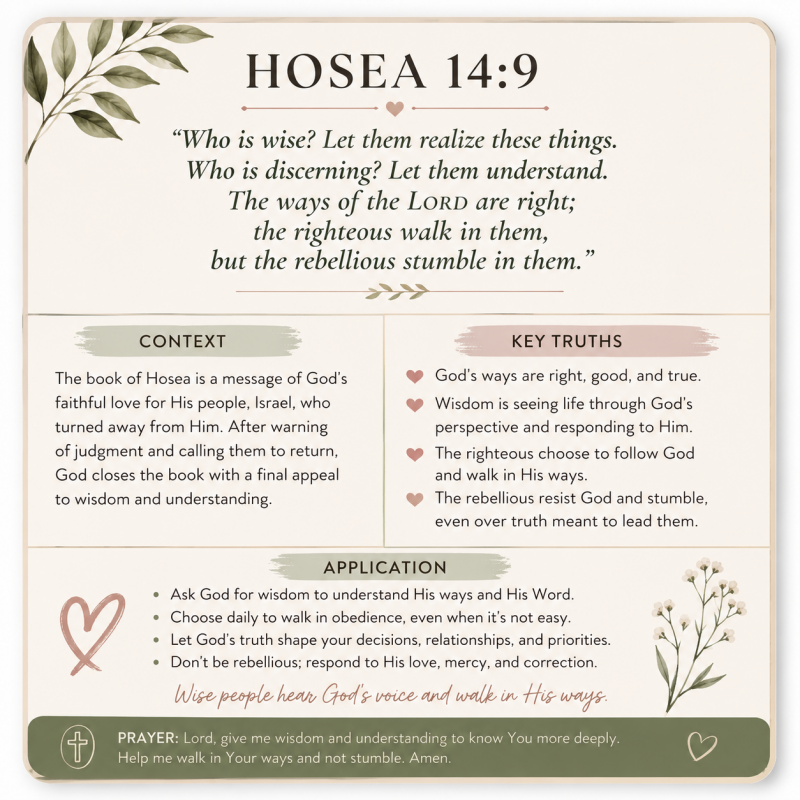
Hosea 14:9 — “Who is wise? Let them realize these things. Who is discerning? Let them understand. The ways of the LORD are right; the righteous walk in them, but the rebellious stumble in them.”
That verse feels like Hosea is saying:
“You have heard the warning.
You have seen the heartbreak.
You have heard God’s invitation to return.
Now — who is wise enough to understand?”
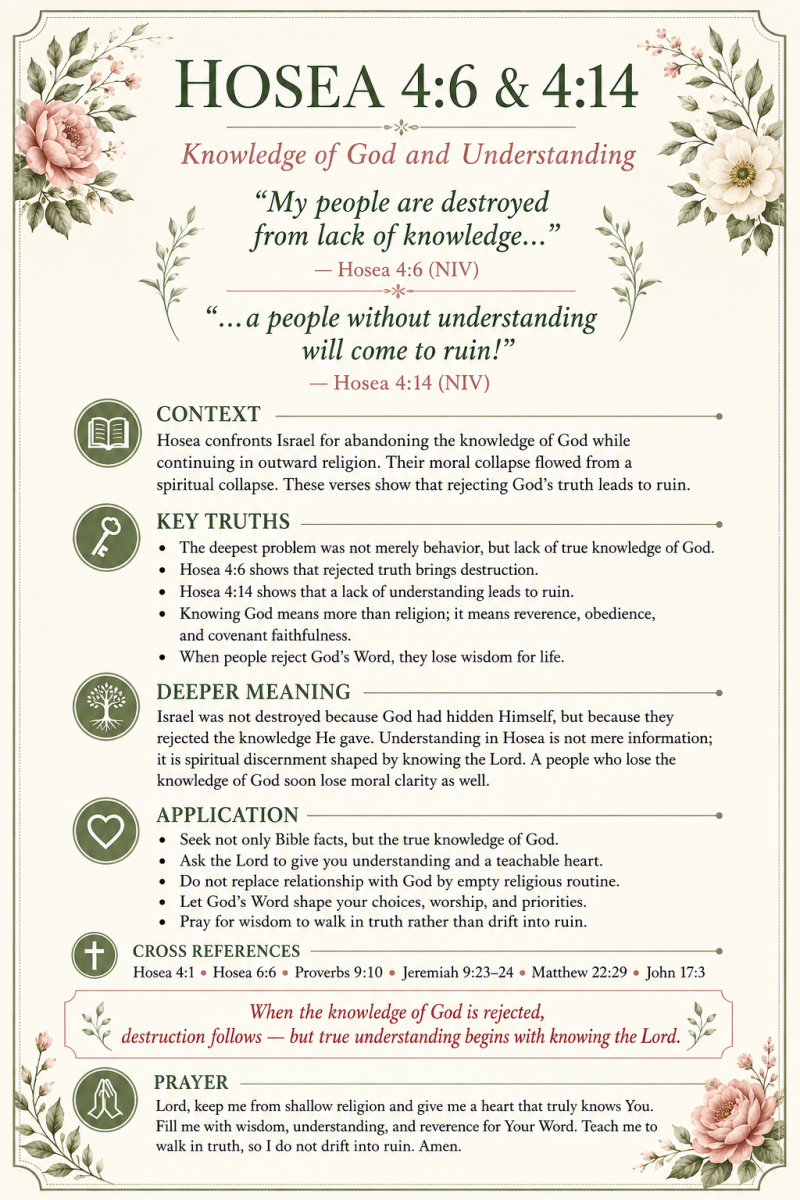
It ties right back to what you noticed in Hosea 4:6 and Hosea 4:14 — the need for true knowledge, understanding, and discernment.
Hosea 4:6 — “My people are destroyed from lack of knowledge…”
Hosea 4:14 — “…a people without understanding will come to ruin!”
Then the book closes with:
Hosea 14:9 — “Who is wise? Let them realize these things. Who is discerning? Let them understand…”
That is powerful. Hosea begins exposing a people who lack knowledge of God, and ends by calling the reader to wisdom and understanding.
The strongest line to me is:
“The ways of the LORD are right…”
That means God’s ways are not wrong just because rebellious hearts resist them. His judgments are right. His warnings are right. His mercy is right. His call to repentance is right. His discipline is right. His restoration is right.
Then comes the dividing line:
“The righteous walk in them, but the rebellious stumble in them.”
Same Lord.
Same truth.
Same ways.
But two different responses.
The righteous receive God’s ways and walk in them. The rebellious trip over the very truth that was meant to lead them home.
That reminds me of:
Proverbs 10:29 — “The way of the LORD is a refuge for the blameless, but it is the ruin of those who do evil.”
And in the New Testament:
1 Peter 2:8 — “…A stone that causes people to stumble and a rock that makes them fall.”
God’s truth becomes either a path or a stumbling stone, depending on the heart’s response.
So yes — Hosea 14:9 is a final wisdom test.
After everything Hosea has shown us, the question is not only, “Do you understand the book?”
It is, “Will you walk in the ways of the Lord?” ❤️
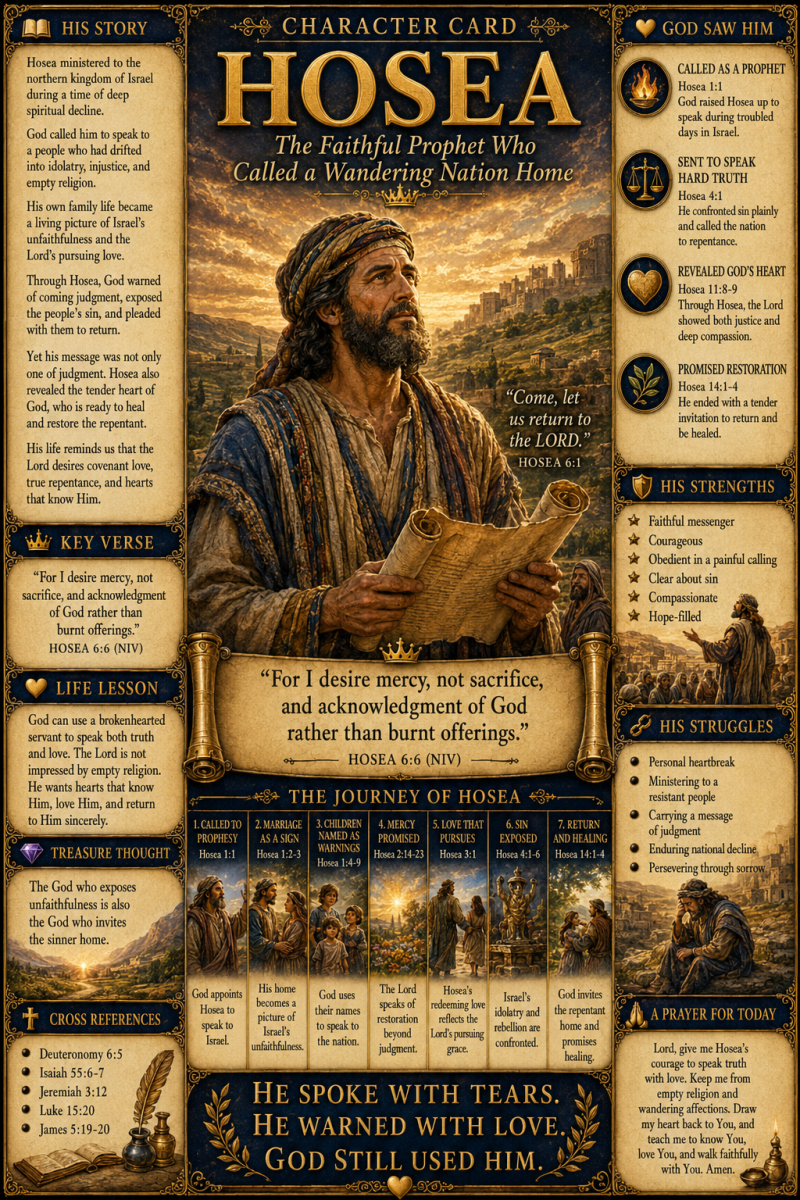
More about Hosea
Add comment
Comments